



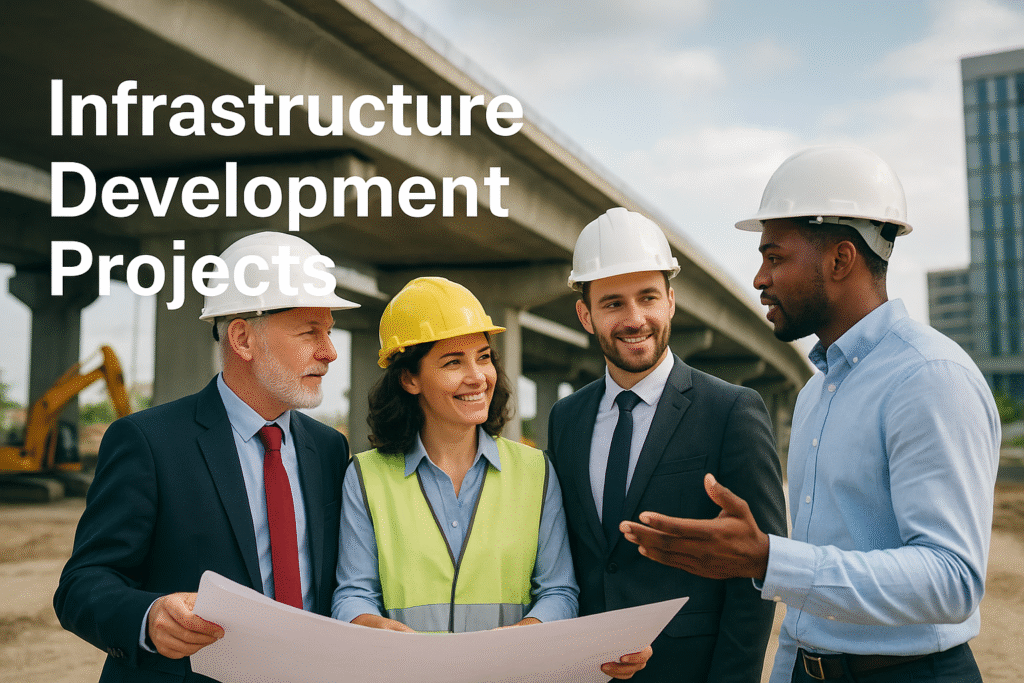
Infrastructure development projects are the foundation of modern economies, driving connectivity, efficiency, and growth. From transport networks to digital hubs, these projects determine how cities and industries evolve. Businesses, governments, and communities rely on carefully planned infrastructure to function seamlessly. With the rise of global trade and rapid urbanization, infrastructure is no longer just about roads or bridges, it is about building ecosystems that foster economic activity. This is where business park infrastructure planning plays a significant role, ensuring commercial zones support innovation and long-term success. At herlyx, the importance of sustainable, efficient, and future-ready infrastructure is a core focus, helping organizations align development with practical needs.
Table of Contents
Why Are Infrastructure Development Projects Essential?
The value of infrastructure development projects goes beyond physical construction. They provide the framework for economic resilience, community well-being, and industrial progress. Well-planned projects reduce congestion, cut operational costs, and improve connectivity across regions. For businesses, these projects are the backbone of supply chains, facilitating smooth logistics and supporting expansions. When paired with business park infrastructure planning, they create commercial ecosystems that attract investment and talent. At herlyx, the emphasis is on integrating sustainability and smart design, ensuring developments remain viable for decades.
Role of Business Park Infrastructure Planning in Growth
Business park infrastructure planning is a strategic approach to building modern commercial zones. It involves designing parks that offer advanced facilities, green spaces, reliable energy systems, and strong digital connectivity. Such planning ensures businesses can operate in efficient, cost-effective environments. It also promotes collaboration among industries by clustering companies within well-structured zones. By incorporating green building practices and modern utilities, planners create sustainable workspaces that support both productivity and environmental responsibility. According to herlyx, forward-thinking planning is key to driving innovation and future growth within business hubs.
Key Components
1. Strategic Planning
Projects must start with a strong roadmap. Identifying demand, location, and long-term value ensures they deliver results.
2. Financial Structuring
Investment models, public-private partnerships, and risk management play a huge role in stability.
3. Technological Integration
Smart sensors, AI-enabled management, and digital monitoring improve efficiency.
4. Sustainability Practices
Green construction, renewable energy, and water conservation ensure projects remain future-ready.
5. Community Engagement
Stakeholder participation ensures developments meet real needs rather than creating isolated assets.
Pro Tips
Every project manager faces challenges, but the following actionable tips can improve success rates:
- Set Clear Objectives
Define the purpose early. Whether transport, energy, or commercial zones, clarity helps align stakeholders. - Involve Local Communities
Engaging with local residents avoids conflicts, ensuring the project benefits all parties. - Adopt Smart Technology
Using digital monitoring reduces delays and enhances real-time decision-making. - Focus on Long-Term Value
Avoid shortcuts. Prioritize designs and materials that support durability and efficiency. - Integrate Sustainability
Renewable energy, recycling, and eco-friendly materials protect the environment and reduce costs. - Plan for Flexibility
Markets change quickly, driven by shifting consumer demands, technological advancements, and global economic trends. - Strengthen Risk Management
Identify financial, environmental, and operational risks early to avoid setbacks. - Collaborate with Experts
Teams with diverse expertise deliver stronger outcomes. At herlyx, collaboration ensures balanced, practical solutions. - Ensure Regulatory Compliance
Delays often stem from legal hurdles. Stay aligned with regional policies and approvals. - Measure Impact Post-Completion
Track performance and usage after launch. Feedback helps improve future projects.
Challenges in Business Park Infrastructure Planning
It is not without challenges. Land acquisition, regulatory approvals, and funding gaps can slow development. Ensuring connectivity to highways, airports, and ports requires significant investment. Additionally, maintaining a balance between green areas and commercial zones demands careful design. Another challenge is integrating digital infrastructure like high-speed internet and smart grids, which are essential for modern businesses. At herlyx, emphasis is placed on overcoming these hurdles with innovative solutions that combine sustainability, affordability, and functionality.
Future of Infrastructure Development Projects
It will focus on sustainability and digital transformation. Renewable energy, green buildings, and smart cities will dominate future planning. With climate change and rapid urbanization, building resilient infrastructure will be non-negotiable. Business parks will adopt hybrid workspaces, energy-efficient layouts, and digital-first models. As highlighted by herlyx, adaptability and forward-thinking strategies will determine long-term success.
FAQs
1. What are the key success factors in infrastructure development projects?
The success depends on clear planning, sustainable design, strong funding, and community involvement. Incorporating modern technology and stakeholder collaboration ensures projects meet long-term needs while avoiding delays and cost overruns.
2. How does infrastructure impact business growth?
Infrastructure reduces costs, improves connectivity, and supports logistics, all of which drive business expansion. It also attracts investment by creating efficient operating environments.
3. Why is sustainability important in modern infrastructure?
Sustainability ensures developments remain valuable without harming the environment. Green energy, eco-friendly materials, and water conservation reduce future risks and costs.
4. What role does technology play in infrastructure?
Technology enhances efficiency, offering real-time data for better decision-making. From digital monitoring to smart grids, it makes infrastructure adaptable and cost-effective.
5. How does business park planning support industries?
Business park planning creates dedicated hubs with reliable energy, transport links, and modern facilities. This clustering boosts collaboration, innovation, and operational efficiency for companies.
Conclusion
Infrastructure development projects are critical to shaping sustainable and efficient economies. They provide the foundation for industries, communities, and governments to thrive. When paired with business park infrastructure planning, these projects deliver environments where businesses can innovate and grow. The future will emphasize digital integration, green solutions, and flexible models. By following the right strategies and leveraging expert guidance from platforms like herlyx, organizations can ensure their developments remain resilient, impactful, and future-ready.
Moreover, well-planned infrastructure projects improve connectivity, reduce operational costs, and enhance the quality of life for surrounding communities. Advanced technologies, such as IoT and smart grids, are increasingly being integrated to optimize energy use and resource management. Sustainability is no longer optional eco-friendly designs and renewable energy solutions are becoming central to long-term planning. Collaborative approaches between government, private sector, and community stakeholders ensure projects meet both economic and social goals. Ultimately, these developments create business ecosystems that attract investment, foster innovation, and support continuous growth.
